
Sars Cov-2
CoVid-19 Profile
- CoVid-19 is the disease caused by the virus SARS-COV-2.
- We have no natural immunity.
- We have no “herd immunity,” which are immune people standing between us and the virus.
- We don’t know the extent of the spread of the virus because no one in the United States except those who show symptoms or have returned from china has been tested.
- China has currently locked down 750 million people (twice the population of the United States)
- This Virus has a really high R0 (pronounced R naught) meaning that it is extremely contagious. Simply put, the R0 is how many people a person can infect. The R0 was placed at 4.07 but is now speculated to be between 4.7 and 6.6. The regular flu is quite lower at 1.28. Here’s how it works: The first person infects 6.6 people then those 6.6 people infect 43 people then those 43 people infect 287 then those 287 infect 1900 and so on. After 10 cycles, If not precautions are taken, the exponential growth of this virus will have infected half of the United States population at 150 million people.
- Its incubation period can be between 5 and 24 days all of which you are infectious.
- Transmitted via bodily fluids: saliva, mucus, feces and urine.
- Can be contracted through the mouth, eyes, or exchange of bodily fluids.
- The CoVid-19 is now considered and aerosol. (floats suspended in the air on water vapor for up to 3 hours)
- It can stick to and live on surfaces for up to 9-14 days.
What kills the virus on your skin or surfaces? (do not ingest any of the these)
- Soaps and laundry detergent because it breaks up the fatty walls of the virus.
- Solutions of 62-71% isopropyl alcohol
- Solutions of 0.5% hydrogen peroxide
- Solutions of 0.1% sodium hypochlorite (Bleach)
What is real Quarantine?
Quarantine comes ironically from Italians who happen to be in lockdown and it means “40 days.” A couple hundred years ago when viruses and bacterial infections were prevalent, any ship with sick sailors arriving into ports would be quarantined. This allowed the viruses to die off. It was understood that most viruses were contagious even after the symptoms had gone away. It is not known how long SARS-COV-2 remains contagious after symptoms have disappeared but many viruses are contagious for up to 2-3 weeks. Unfortunately we believe a 14 day quarantine is woefully inadequate as we will explain.
How Does the Country Proceed.
If an outbreak occurs this virus will spread like lightning. One of the few methods to stop a pandemic is a lockdown, which the China is currently using. This is where the government requires you to stay in your house for a couple of weeks. This allows the virus to go through its full cycle from start to finish without infecting other people. Currently China is imposing a 30 day lockdown, which unfortunately, may be inadequate. If an outbreak occurs in America a similar lockdown may be imposed. Since the CoVid-19’s incubation period is more likely estimated to be 24 days this lockdown could last up to 45 days.
How should you prepare for a lockdown?
It is always a good idea to have about three months of food on hand for any situation, especially the one we are facing. Every time you go to the grocery store you should be buying double of what you normally buy. You want to make sure that your pantry, your cabinets and your refrigerator are full of usable food, and not just useless sauces. You also want to make sure you have plenty of toiletries. The lockdown caught the Chinese people really off guard, so much so that it is considered a great gift to offer or receive roll of toilet paper. People in the United States heard this and this is why there is a rush on toilet paper.
Children
Unfortunately children and teenagers will be major spreaders. Due to children’s youth and inexperience they tend to commingle diseases. We place them altogether in schools. Small children put their shoes up on chairs, drool on each other, pick their noses, wrestle and touch other children during play. Unfortunately, your children will bring the virus home to you. Expect schools and universities to be closed during an outbreak. Parents, especially single-parent households will need to make plans to take care of their children for several months at a time.
Alternative supplies
Much of the medical supplies are on back order or sold out. Most are supplied by China and that’s creating shortages for US hospitals and consumers like you. We have been seeking out alternatives.
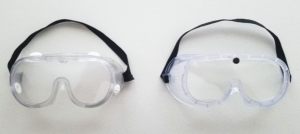
Goggles: you will need some eye protection since the virus can enter through the eyes. There is a slight chance that the aerosolized virus can enter through the vent holes but the likelihood is greatly reduced. Taping a piece of paper towel over the vents may provide additional protection
Face masks: most of us are familiar with the masks worn in Asian countries. When you go to American hospitals you will see medical personnel wearing these types of masks. These masks are generally used protect against bacteria and large liquid projectile droplets from a contagious person. Unfortunately viruses are much smaller than bacteria and can possibly get through the materials or the unsealed portions around the face.
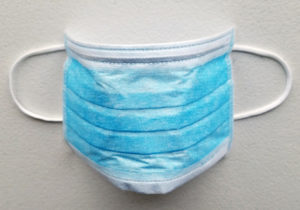
The coronavirus is an aerosol, meaning it can float on suspended droplets of water. Surgical style masts are about 50% effective against aerosols. They can be significantly more effective if you tape them to your face and seal up all the air gaps. These types of masks are single use because your moisture eventually degrades the material and the effectiveness of the mask
The purpose of masks is to protect you but also the people around you. Please be considerate of others. You should always wear the face mask without the free flow exit vent. If you are unknowingly contagious and you happen to sneeze, some of the atomized moisture particles will escape and contaminate those around you.
Is it a good idea to wear a surgical mask? Yes, but not for the reasons you think. It is certainly good idea to wear one if you’re contagious to catch any inadvertent coughs and sneezes, but is also a good because it serves as a self-conscious reminder not to touch your face. The coronavirus is rumored to be able to remain on some surfaces for 9 to 14 days. You do not want to transfer the virus from that surface to your face. You want to wash and sanitize your hands before touching your face.
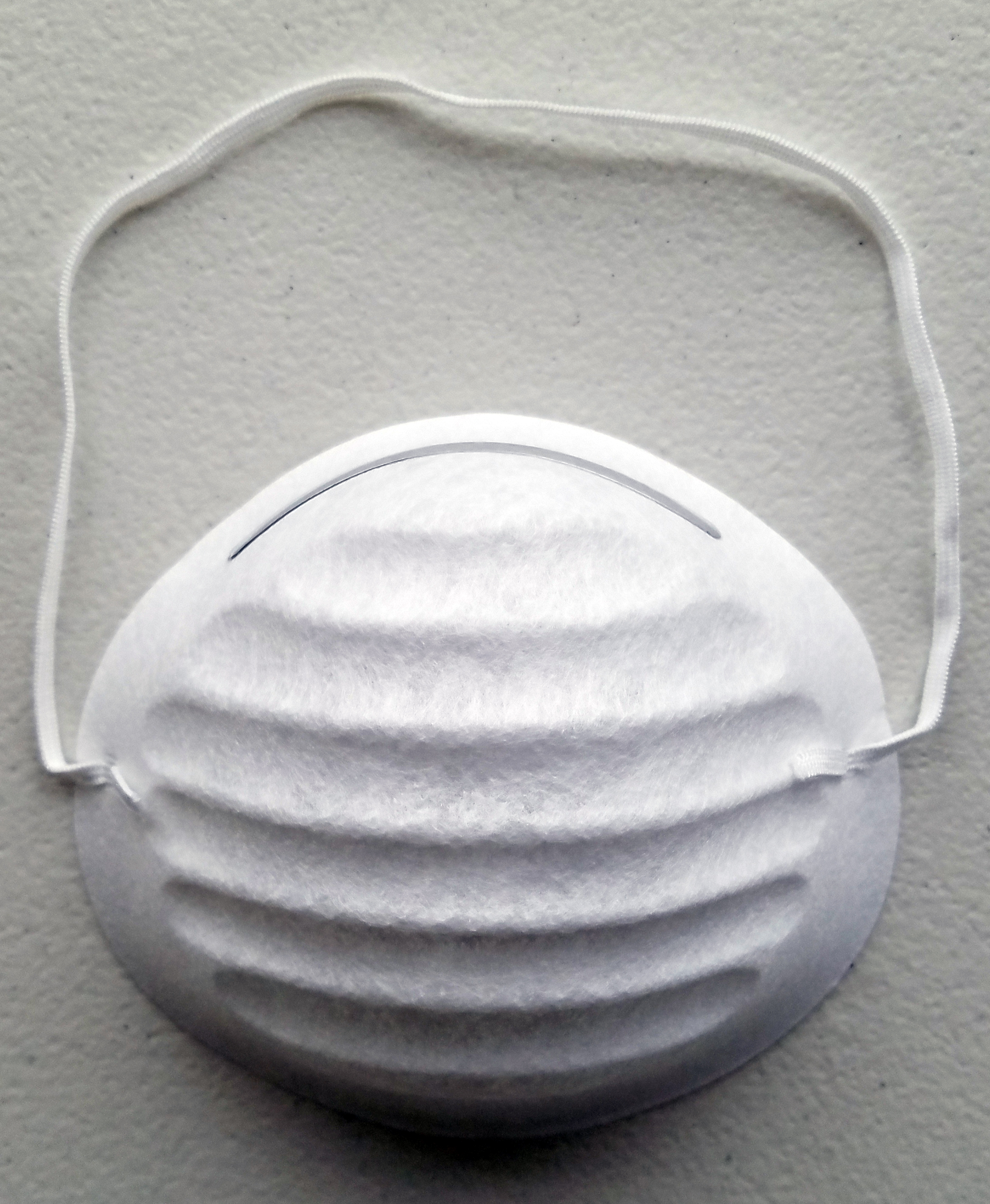
Once you put on a mask you should always avoid touching the front of the mask. The mask will have all the foreign contaminates on the front of the mask so you don’t want them transferred to your fingers. Use the ear loops of the mask to remove the mask, deposit it in a trash can and then wash or sanitize your fingers.
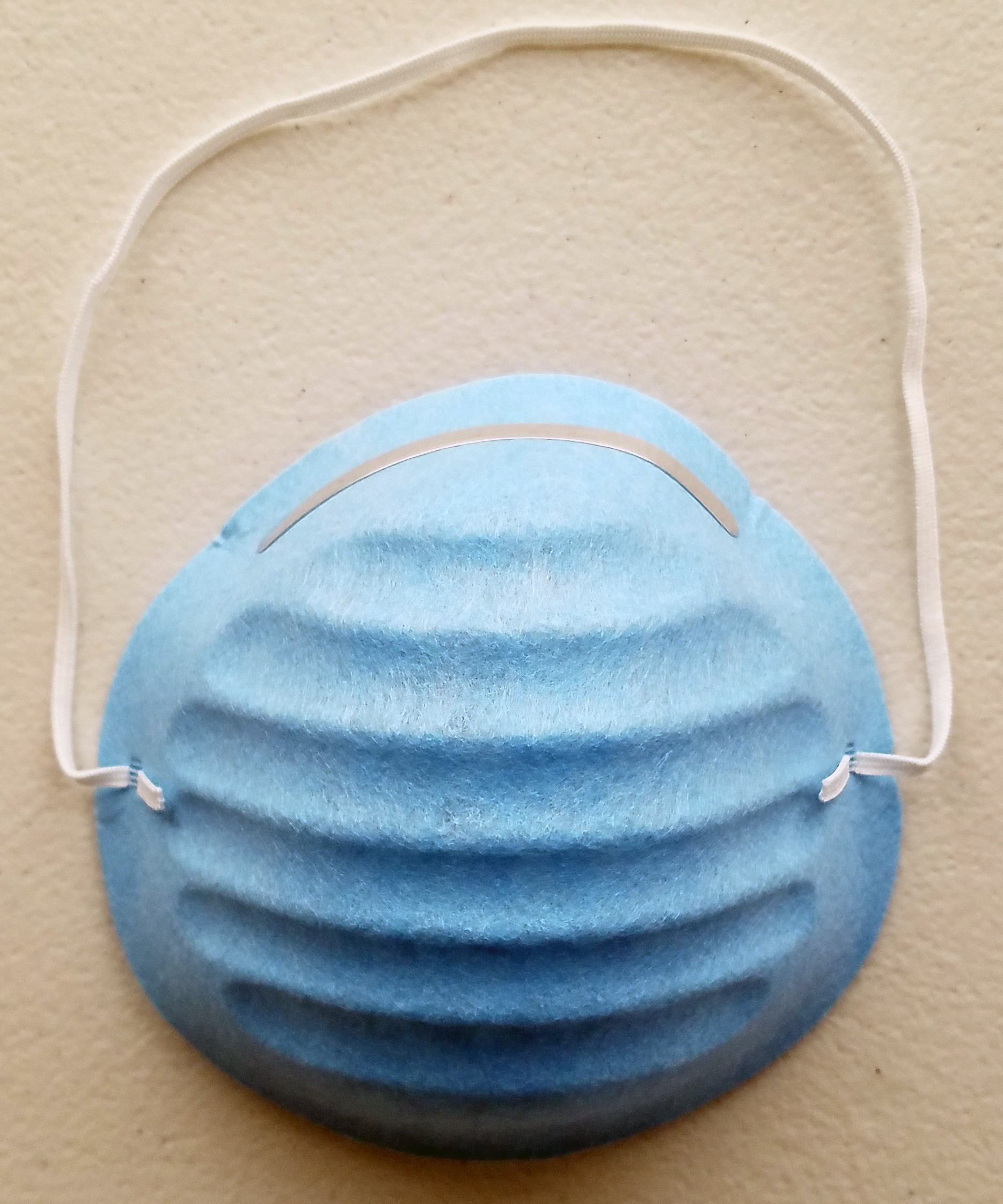
Regular face masks are also popular. We obtained the blue mask on the shelf at a local drugstore and we obtained the white mask at the hardware store. They both protect from dust and pollen, but the blue mask also stated on the packaging that they protected from bacteria. Both seem to be made by the same machine and the materials appear to be similar. We’re not sure if the blue coloring actually serves a purpose or is simply esthetic. As long as you crimp the metal nose piece these masks do a better job of sealing up your face, but again, not fully sealing your face. The materials will catch large droplets but can still let a small amount of virus through. The less of the virus you contract have the more time your body has fight it.
If you can obtain NIOSH approved N95 facemasks you should, but because they’re manufactured in China, the odds are low that you will. N95 masks filter out 95% of particulate matter including most viruses. N95 are also considered single use and like the masks above are affected by moisture. N95, N99, and N100 masks can be tough to breathe through. You can get the ones with the exhaust bypass and you may be decently protected, but If you’re contagious, you can spread the virus to others. You must also pinch the nose metal piece. Unfortunately, they are also hard to seal, so some aerosol particles can get past the edges if the mask is not taped to your face.
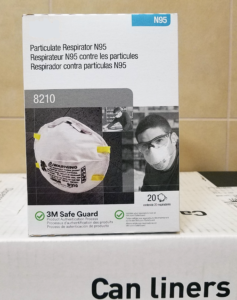
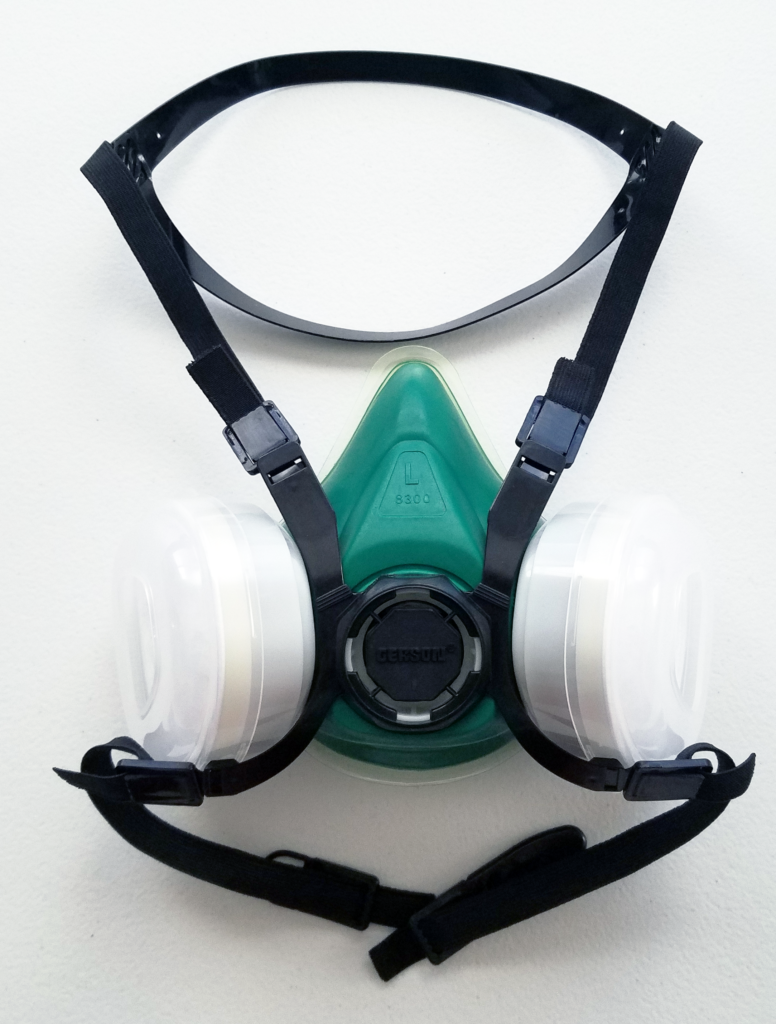
Respirators are much more effective at sealing your face as long as you don’t have facial hair. Most people see the surgical masks the people in Asian countries wear and are unaware that respirators exist. These masks do come with NIOSH approved N95, N99, N100 filters but can also come with “R” and “P” which are resistant to moisture and oils. Respirators last longer than surgical masks, or facemasks, because they are bigger and thicker and they have one-way valves that protect the filters from the moisture you exhale. The larger surface area of the filters and the exhaust valve allows for easier breathing, but again if you’re contagious the exhaust valve does serve as an exit for the virus. The filters are more robust, but should be changed regularly. The environment you use them in and manufacturers’ ratings may require more frequent changing. If you notice it’s harder to breathe, then you should deftly change the filter. The respirator featured below a disposable P95. Respirators can be obtained at 3M website, Hardware, paint supply, farm supply stores.
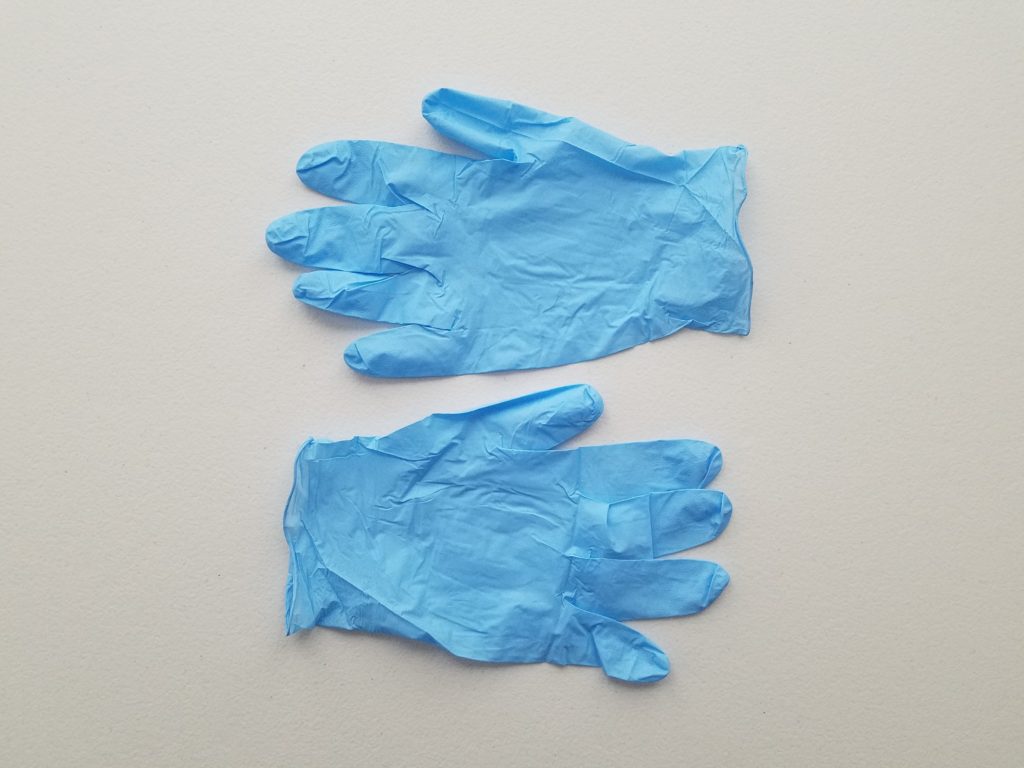
Auto Mechanics Nitrile Gloves: You should start taking notes of all the surfaces you touch because the virus can remain on them for 9-14 days. There are a lot of surfaces that everyone touches where you can contract the virus. For example gas pumps, squeegees, door knobs, faucets, ATMs, debit card readers, any devise with a touchscreen and especially money. Some countries are even burning their paper money supplies. You should always wear latex or nitrile gloves when touching any surface that other people touch on a regular basis. If your local drugstore is out of medical gloves you can go to an auto parts or hardware store and pick up a package of nitrile automotive mechanics gloves.
Restroom hazards
Public and private restrooms can easily harbor the virus. You should exercise care when using the restroom. You should avoid public restrooms if possible but if you can’t you should use the steps and procedure below to help you avoid unnecessarily contracting the virus.
Restroom Etiquette:
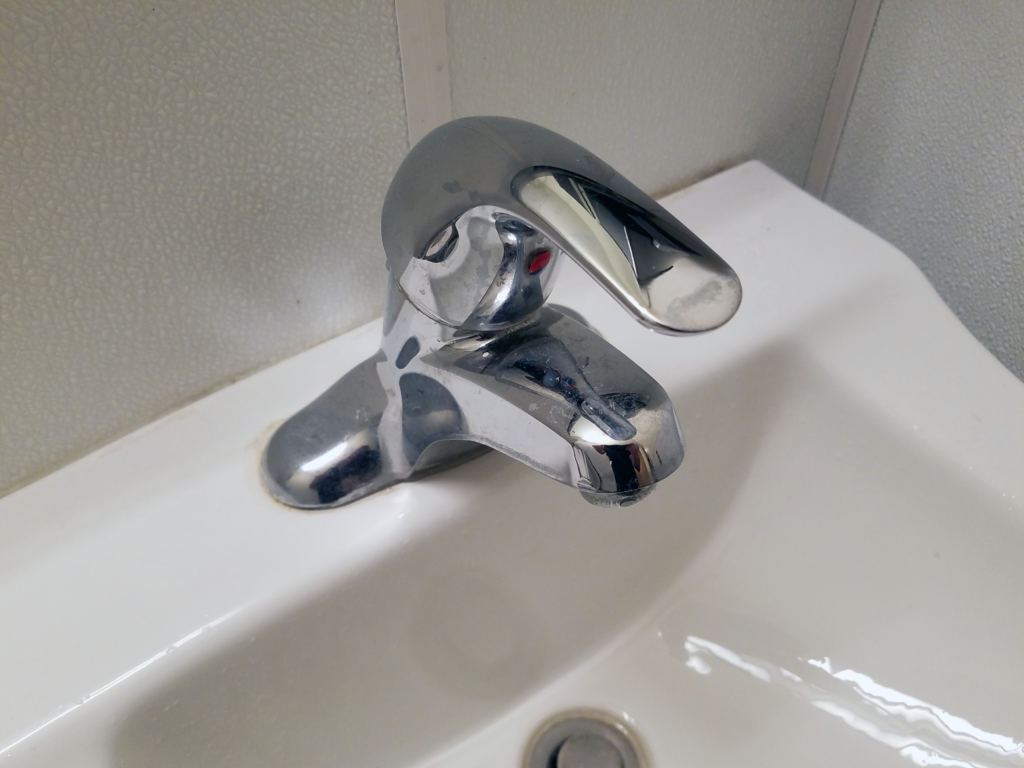
In a public restroom you can expect urine and feces will be on all surfaces so refrain from touching the wall and especially the floors. After you enter a restroom the Corona Virus may be on your hands, so you need to wash them before you do your business. If available, use the disposable paper toilet seat covers. DO NOT use your phone in the restroom and avoid touching surfaces. Be courteous of others. If you urinate standing up, please a piece of toilet paper to raise the toilet seat so as not to contaminate the top of the seat. When you have finished your business wash your hands for 20 or more seconds not forgetting to scrub your wrists, the tops of your fingers, and underneath your nails. After washing your hands use a paper towel piece of clean toilet paper to turn off the faucet. To avoid touching the door knobs use another clean piece of paper towel or toilet paper to exit the restroom.
Upgrade your restroom equipment
Devices installed many years ago that were thought to be hygienic are actually not. We would urge all businesses to upgrade outdated devices talked about below as soon as possible.
Bad Soap dispensers:
These days you will see many restrooms equipped with old-style soap dispensers. Usually at the end of the shift the cleaning crews will come in and pour in more soap into the soap dispenser. Unfortunately, most of the soap dispensers are not sealed at the top where the soap is poured in. During the day as people use the restrooms, fecal bacteria and viruses in the air float into the soap dispensers contaminating the soap. Unfortunately after you wash your hands not all of these contaminants are washed away but some may be deposited on your skin. We recommend bringing your own soap, but if you can’t you will still have to wash your hands because soap still destroys this virus. No studies have been published yet to determine is the corona virus survives after using one of these soap dispensers.
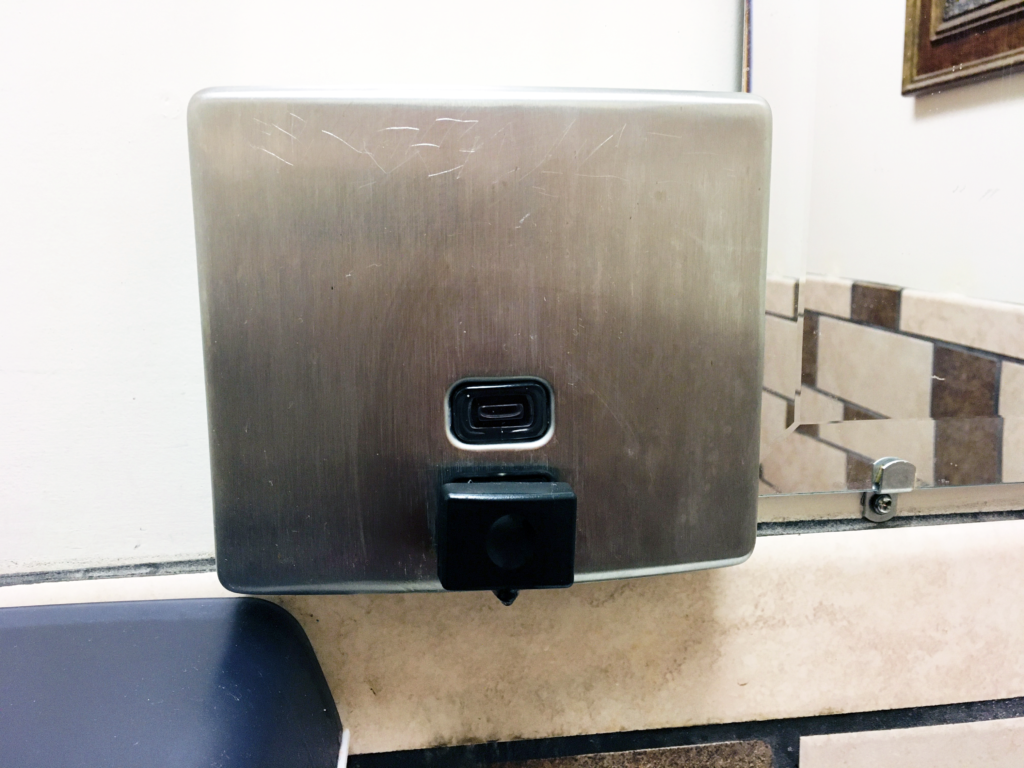 Bad Metal Dispenser
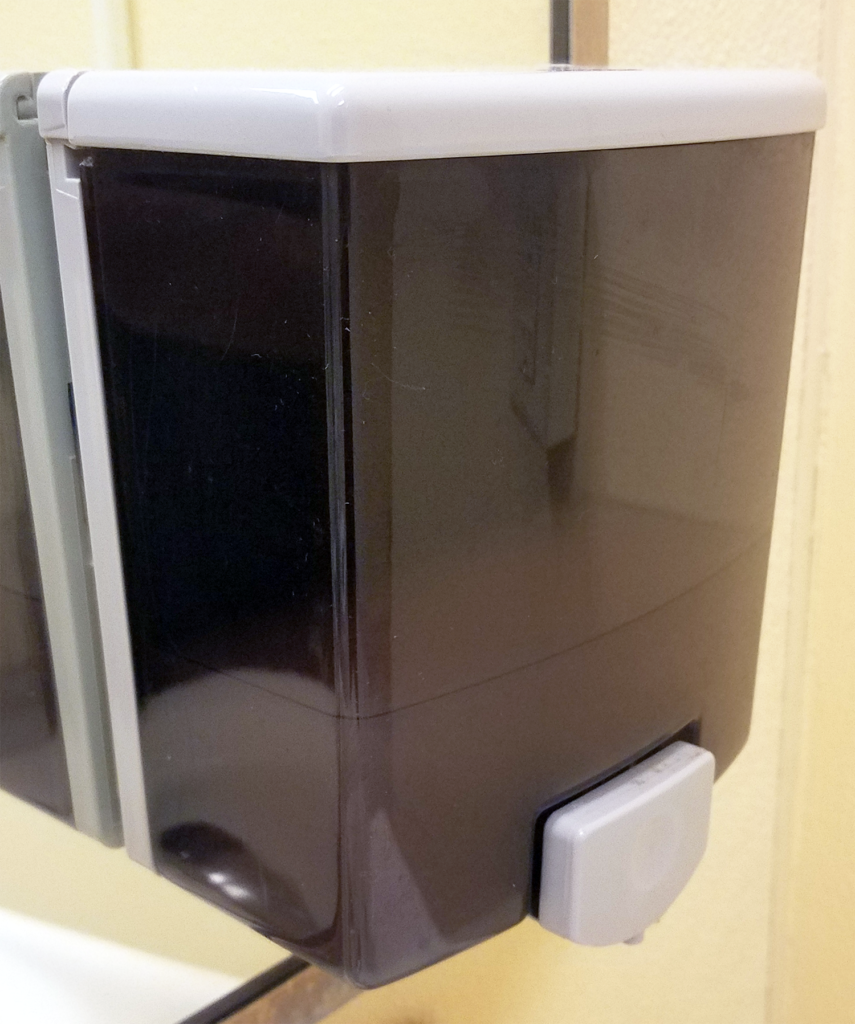 Bad Plastic Dispenser
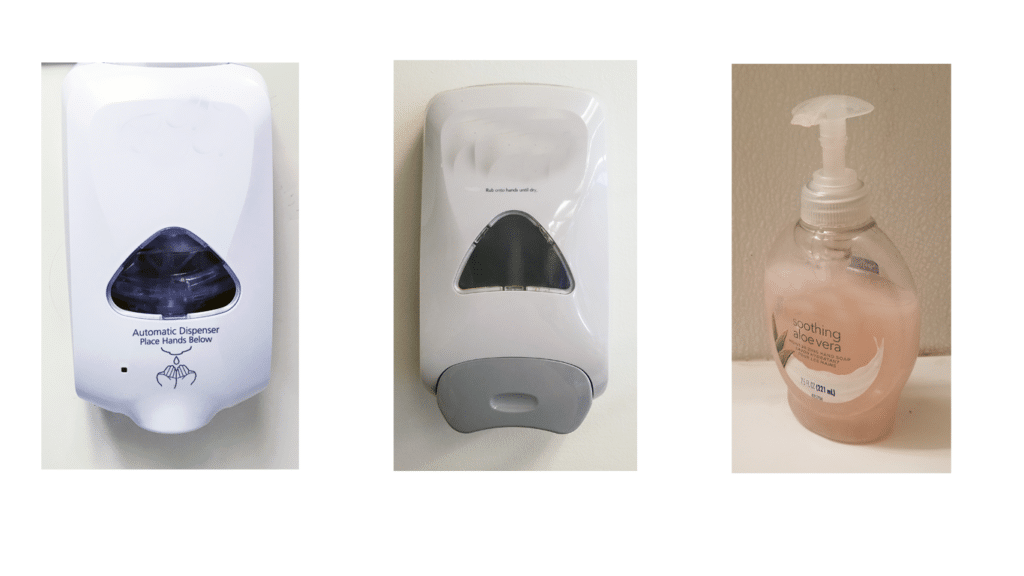
Good soap dispensers:
All companies should upgrade to these soap and sanitizer dispensers as soon as possible, they are extremely hygienic. The soap cartridges these dispensers use are sealed preventing bacteria and viruses from contaminating the soap. Even better, some of them are automated dispensing soap without you having to touch the dispenser.
 Drying your hands
Bad Hand Dryers:
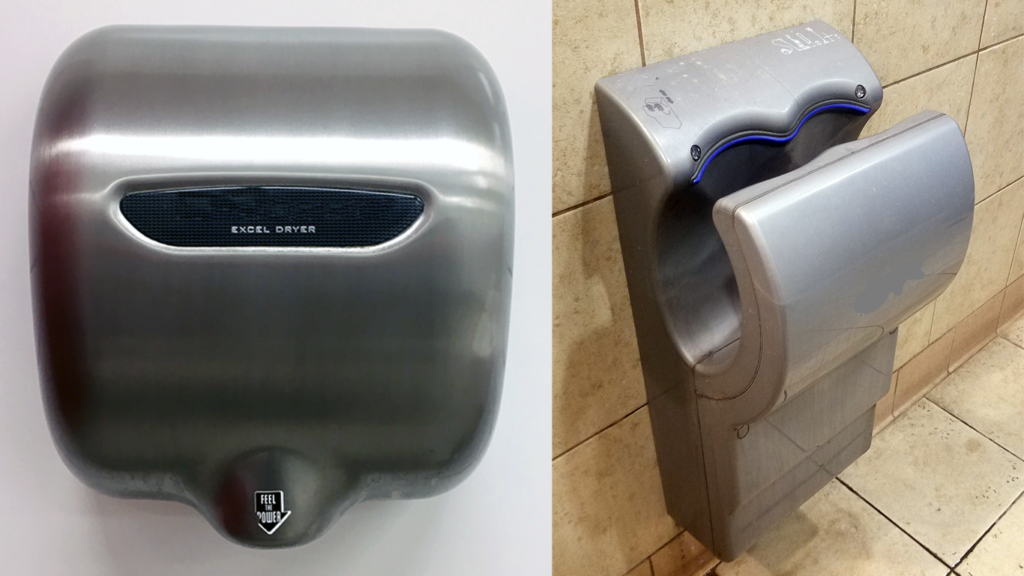
To save money on using paper towels a lot of companies have installed hand dryers in their restrooms.
During their daily use hand dryers collect the bacteria and viruses floating in the air. Then during startup they blow them out all over your hands, into the air, and all over the restroom. We can’t say it enough, at all costs, AVOID using hand dryers as their high pressure air is going to be a major spreader of the virus.
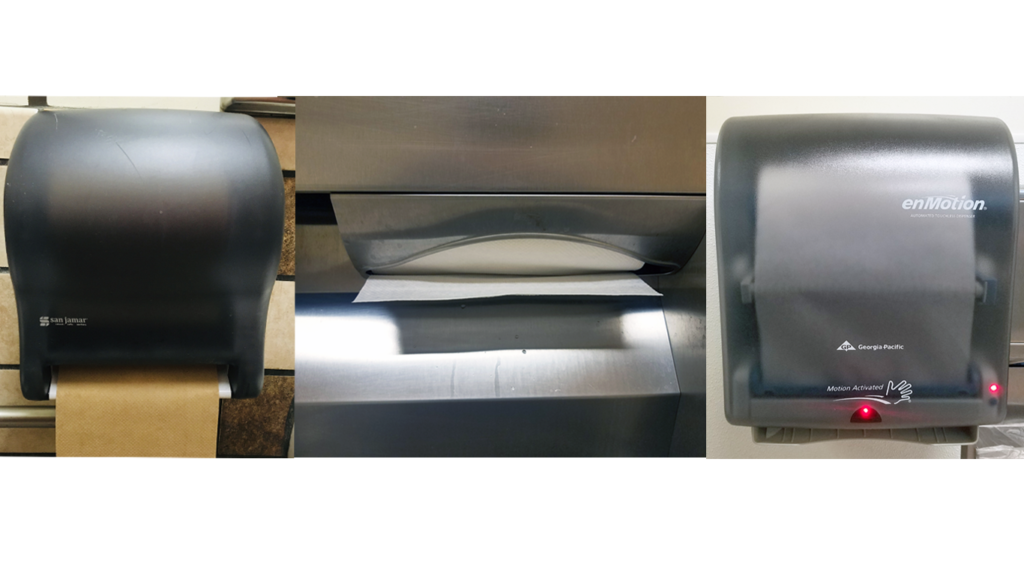
Paper towels dispensers:
After using the restroom, paper towel dispensers most sanitary way to drying your hands. You should have almost no worries about using paper products in the restroom. Due to the manufacturing process paper towels come out of the factory free of viruses and bacteria. Paper towel rolls, tissue paper, and the toilet paper you buy from the store are also super sanitary as well. The most hygienic dispenser is the automated paper towel dispensers because there less chance of touching the device. After you finish washing your hands you should use toilet paper tissue or paper towel to turn off faucet and another new one to open restroom doors to exit.
 References:
Explanation of R0
https://www.youtube.com/watch?v=Nmrm0mk5928&t=1050s
RO 4.7-6.6
https://www.youtube.com/watch?v=01L-SktgzXc
Patient Scenarios
https://www.youtube.com/watch?v=Q0A0LyMru3I
R0 6.7-7.0
https://www.youtube.com/watch?v=QVQC1hAYZBs
Lasts on Surfaces for up to 9 days
Disinfectant with 62-71% alcohol, 0.5% hydrogen peroxide, 0.1% bleach
https://www.youtube.com/watch?v=CNQB-Q67DpE
Legality of Isolation and quarantine
https://www.youtube.com/watch?v=IF8MswEQS7w
Flu on Surfaces
Masks
https://www.ncbi.nlm.nih.gov/pmc/articles/PMC3306645/
N95 R95 P95 masks
https://ebolapreparedness.org/n95-vs-p95-vs-r95-respirator-masks/
Mask descriptions
https://www.youtube.com/watch?v=Ihd9PS7bZV4
62-71% alcohol solution will kill virus